No Comments

Extend Your Living Outdoors

With outdoor living gaining a lot of popularity, people all across the globe have now started constructing outdoor domestic spaces, which can be used for several purposes.  Depending on the availability of the space, there are various types of spaces, which can be constructed.


These include porch, balcony, veranda, patio and deck.  However, people tend to get confused between these as they are quite similar and tend to use them as synonyms.


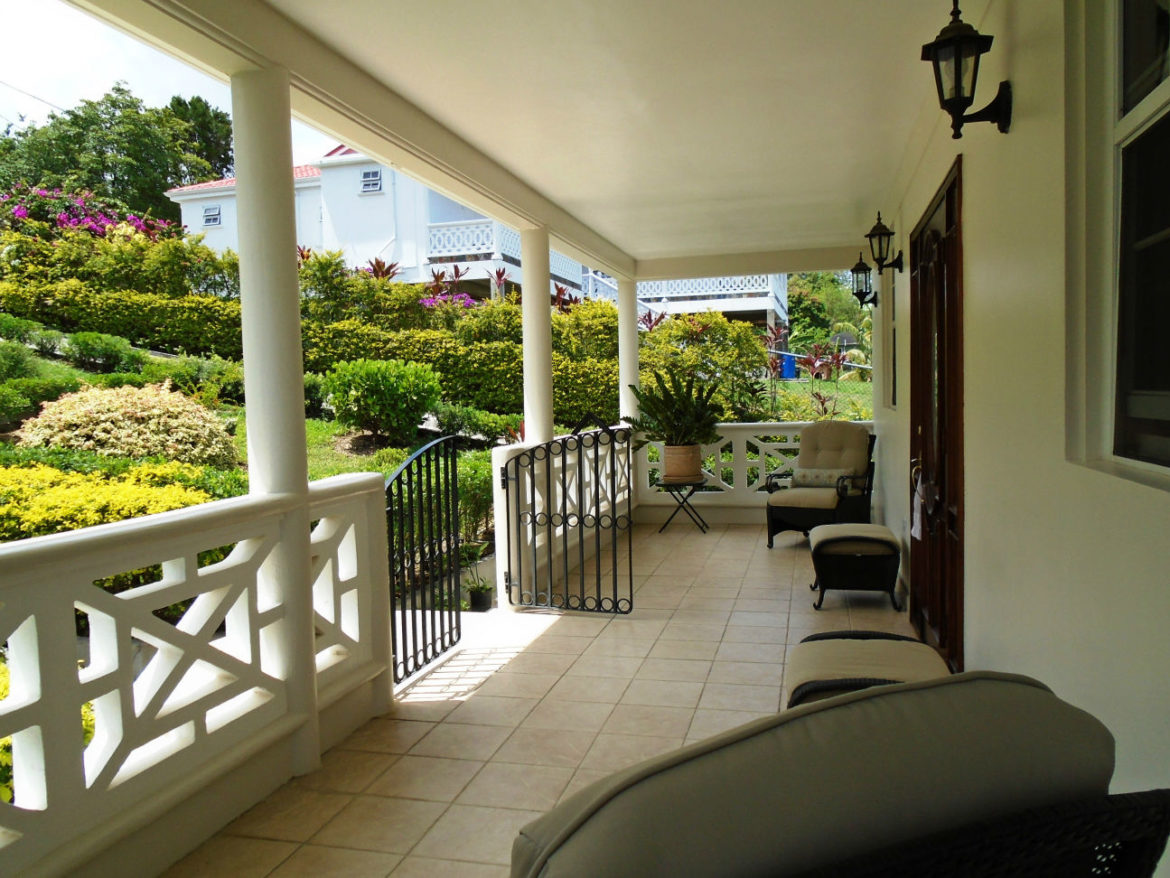
Porch – A porch is basically an attached section to the house which is open to the outside air and is covered with a roof. It is usually at the street level, and a house can feature a front porch as well as a back porch. In addition, porch is usually employed as a living space and people use it for casual seating purposes.


Balcony– A balcony is a small platform that protrudes from a wall of an upper apartment floor and is usually enclosed by a railing. It must be clarified that unlike the patio, balcony is not at the street level. A balcony is usually never employed as a social space, but is basically designed for outdoor ambience purpose.


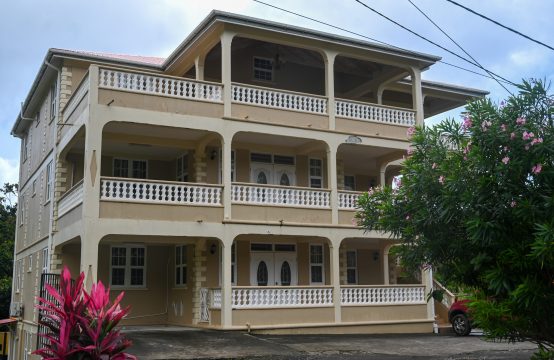
Veranda – A veranda is typically an open, large, long gallery, usually covered with a roof and supported by pillars. It must be mentioned that in most of the cases, verandas usually extend equally on all the sides of the structure. Verandas are usually associated with large and expensive homes, and may be used as a living space also.


Patio – A patio is a roofless paved area adjoined to the house and usually employed for entertainment and dining purposes. It must be mentioned that the open air living space is at the ground level and is usually made out of slate, cement, stone or a combination of the materials. Besides few furniture pieces, plants and few water decorative elements are also introduced in the patio.

No Comments

Are You Hurricane Ready?

Hurricanes are powerful tropical storms which attribute heavy rains, strong winds and surging waves. Hurricanes occur anytime and anywhere, therefore the most important thing a person can do is prepare beforehand. Everyone who lives in an area highly affected by hurricanes needs to take personal responsibility and accountability by planning well before the storm season begins.

Start With a Plan:

  • Think about whether you will evacuate or stay at home. If you are unsure whether your home is able to withstand the storm, it is important to make note of the nearest hurricane shelters or alternative options and be prepared to leave as soon as possible.


  • Have disaster supplies on hand; Flashlight and extra batteries, Portable battery-operated radio, First aid kit & essential medicines, Canned food and water.


  • Document valuable items (passports, credit cards, birth certificates, money, licenses, etc.), and guarantee their safe keeping.


  • Perform an inventory of your home’s contents (electronics, jewelry, appliances, clothing, etc.) and store in safe place in case a damage claim has to be made.

Prepare Your Home:

  • Protect your windows. Permanent shutters are the best protection. A lower-cost approach is to put up plywood panels.


  • Trim branches away from your home and cut all dead or weak branches on any trees on, or in close proximity to your property.


  • Secure or remove all items outside of your home to avoid them being a cause of damage during strong winds.


  • Install straps or additional clips to securely fasten your roof to the frame structure. This will reduce roof damage.


  • Clear loose and clogged rain gutters and downspouts.


During a Hurricane:

  • Regularly listen to your radio for information and updates related to the stop.


  • Turn off utilities if instructed to do so. Otherwise, turn the refrigerator thermostat to its coldest setting and keep its doors closed.


  • Avoid using the phone, except for serious emergencies.


  • Stay indoors during the hurricane and away from windows and glass doors. Ensure that they are all closed, including interior doors. Lie on the floor under a table or another sturdy object if the conditions get dangerous.
No Comments

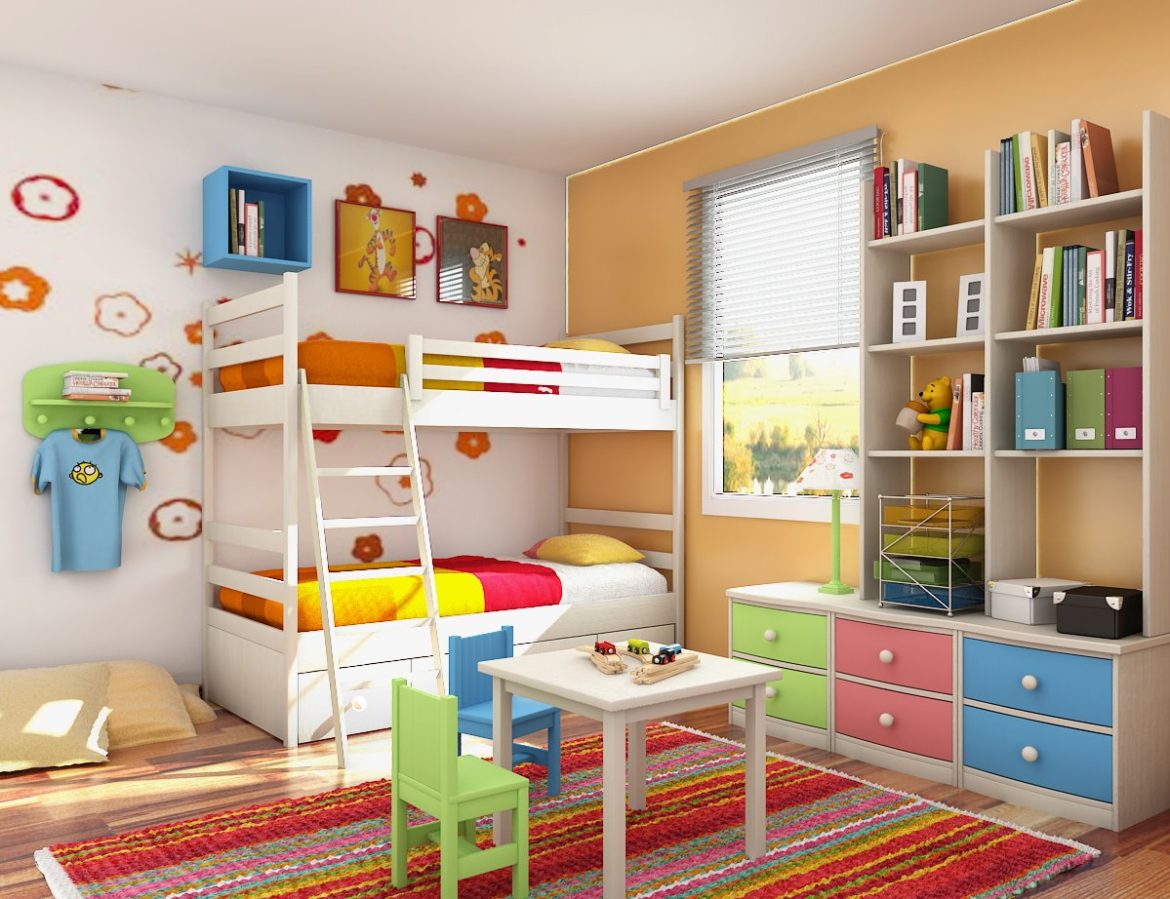
Have Fun Decorating Your Kids Room

When your kids are ready to have their own bedrooms, for sure, they are excited to have a well-designed bedroom done according to their likes.


You will also be excited on how you could make your kid happy by decorating his or her bedroom.


Of course, the first thing you need to do is ask your kid what he or she really wants.  Then you conceptualize on how you will do it.  Think of what you already have and what you still need to acquire.


Depending on the theme of the bedroom, it could be expensive or affordable.   It is up to you to create a budget that will be enough to give your little ones the bedroom of their dreams but as you design your kid’s bedroom, bear in mind that as he or she grows up, the design of the room will also be altered.  A teenager wouldn’t want to sleep in a childish bedroom so for now, here are tips for designing your kid’s bedroom:


  1. Use bright colored window treatments.

Use colorful curtains for your child’s room.  See to it that the color you will use will match with the theme of the entire bedroom.  Stick with bright colored window treatments for it can give the room a sharper and cleaner look.  You can place a valance to lessen light that comes from overhead during the day.  Also, place a shade to be used in the evening.  Use a shade that has a color that complements to the room.


  1. Use the child’s toys as decor.

Your child’s toys are colorful and they also come in different sizes and shapes. They can serve as a decoration for the room. This way, you can save storage space by using hooks to hang large toys and open shelves for small toys. It actually looks great especially if the toys are arranged well.


  1. Use prints and paints.

For the wall of the bedroom, choose a bright colored paint and combine it with some prints. Aside from the wall, you can also use it for cabinets and other accents. You can try using a mural instead of prints. Let it show your kid’s favourite theme like flowers, race cars and others.


  1. Use fabrics that fit the room.

For the beddings, you can use one that match with the theme of the room.  Select your bedding to match the theme of the room as well as for comfort.  Mix and match sheets, pillows and comforters. You can even have some extra pillows just for accent. Aside from that, you can also match your curtains. This can give the room a united look.


  1. Decorate the ceiling.

You can also make the ceiling suitable for a kid’s taste by decorating it with glow in the dark items. They would enjoy staring at it while they are about to sleep. It would seem like they are gazing at the night stars.


  1. 6. Place educational things in the room.

Do not just stick with the design. Be sure also to place things that could aid for their learning like books, charts and toys for education. This way, your kid can have fun while learning.


  1. 7. Use photos for decorating.

Make use of pictures of your child’s fondest moment. You can include photos taken while you were in vacation, activities in school, achievement day and many others. You can create an accent wall using these photos which are framed in various sizes.


  1. Use innovative storage.

Storage areas are important for a kid’s bedroom in order to keep your kid’s things. Allocate different areas for their toys, books and clothes. Train them to return the things they took. Teach them how to be organized.


  1. Cover the floor.

Since your kids will surely crawl on the floor to play. Place carpet to protect your kid’s feet, knees, hands and other parts of his body but suits the design of the room. There are many options to use in the floor. You can also use rubber mats in lieu of carpets.


  1. Place a lampshade.

To give just enough light during bedtime, place a lampshade. It can also be good as an added decoration for the bedroom. There are decorative lamps with creative shades which you can use for your kid’s bedroom. But you can also buy plain lampshades and decorate it yourself.

No Comments

Quantity Surveyors Can Help Keep Projects on Budget

A quantity surveyor or cost estimator can keep your project on budget and avoid unpleasant surprises.


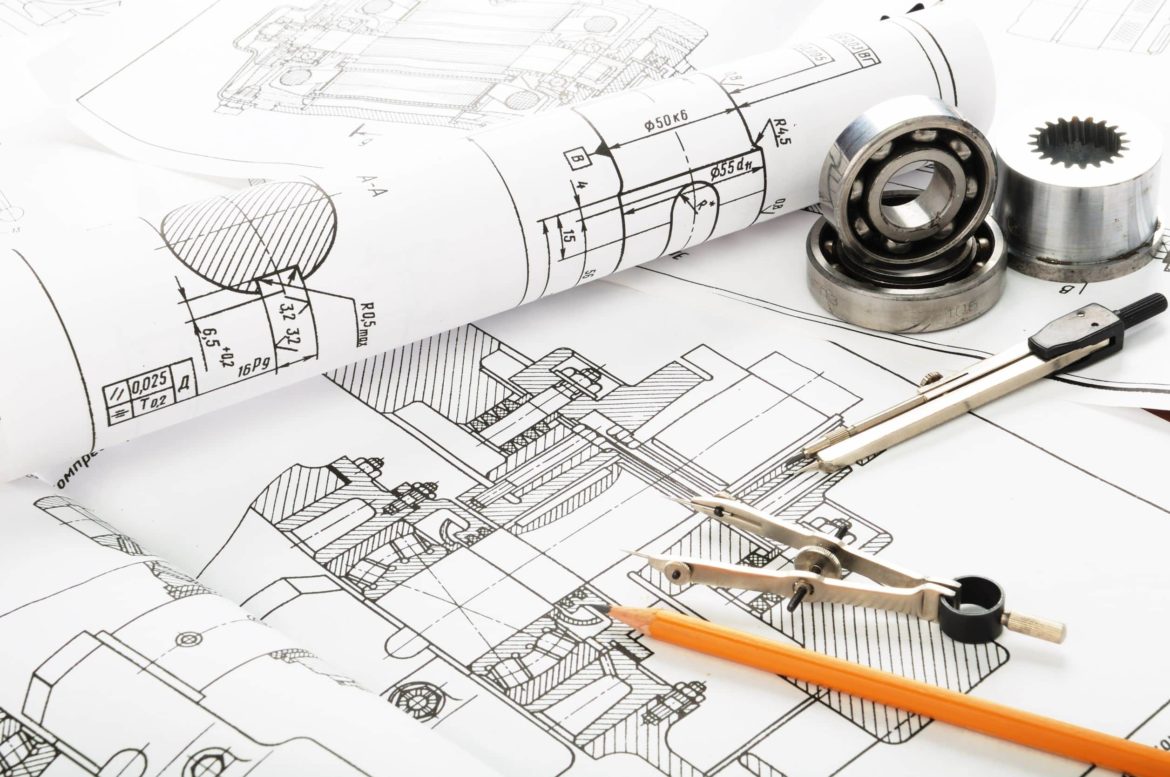
An architect draws a plan and makes initial calculations of the cost of construction (the cost plan) in reflection to the client’s budget.  However, if there is no one to keep an eye on finances, construction projects have the potential to spiral in cost.


A quantity surveyor/cost estimator deals with the financial management of a project. He liaises with the architect and the client throughout to revise the cost plan as the design changes and becomes more detailed.


Quantity surveyors/cost estimators are also concerned with managing different contract forms and dealing with a number of different areas e.g. valuations, final accounts, dispute resolutions etc.  A quantity surveyor/ cost estimator will basically manage the financial and contractual sides of a project.


They usually work on all types of projects including residential and commercial and on projects ranging from building schools, hospitals, commercial buildings, public roads and bridges.


Quantity surveyors work involves:


  • Helping the client establish a budget for the project


  • Liaising with the client and architect to produce initial cost estimates


  • Revising costing as the plans are developed


  • Producing a bill of quantities to be given out to contractors


  • Preparing contractual documents


  • Designating work to contractors if the client wishes


  • Monitoring costs once the project has begun


  • Checking invoices and overseeing payments, usually on a monthly basis


  • Scheduling materials


  • Measuring and valuing the finished project to produce an end report


Any client who is concerned with cost regarding their project will realize the importance of working with an individual or company who can ensure that the project is delivered within the specified budget.

No Comments

Using the Design Element of Balance

There are two main ways to create balance with your design. The first is SYMMETRICAL design and the second is ASYMMETRICAL.

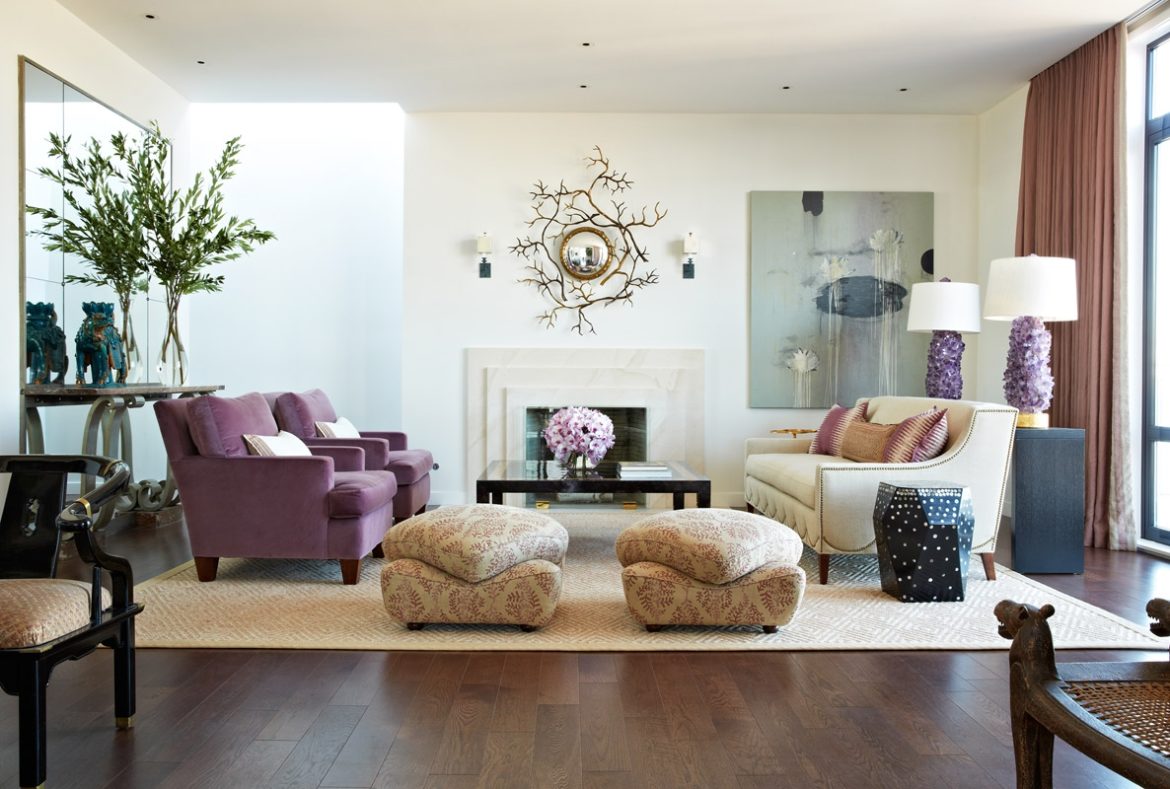
Symmetrical design is achieved by placing identical objects on either side of a central point. Also referred to as formal balance, this design creates a quiet and restful feeling and suggests restraint, orderliness and formality.

With symmetrical design, everything is perfectly balanced. There is roughly two of everything or items are mirrored in the room. For instance, one chair is placed exactly opposite another one just like it. Identical light sconces are placed on both sides of a framed picture.

While this creates balance, it can also make a room look static and lacking any visual interest or energy.

Experienced designers use asymmetry to create this interest. Asymmetrical design is achieved by placing different objects of equal visual weight on either side of a central point.

Objects balance well because they are judged by their visual weight, not pairings. For instance, you have a large sofa on one side of the room that is balanced by two large overstuffed chairs with an accent table in the middle and floor lamp behind. These pieces balance the sofa visually, even though they aren’t equal in size or shape. The design works because there is balance in the asymmetrical layout of the furniture.

No Comments

Steel Buildings

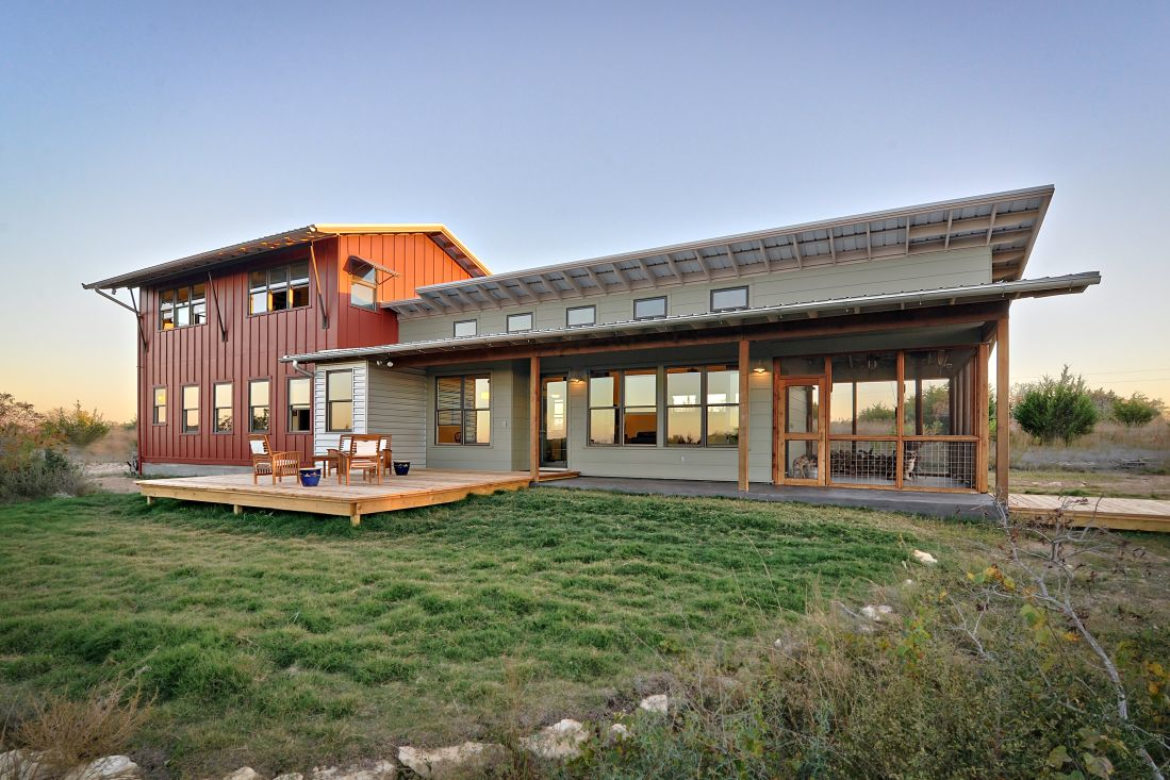
Steel buildings are metal structures constructed with steel for internal support as well as exterior covering. They first gained popularity in the early 20th century and have become more popular today, not only in the commercial sector but for residential buildings as well. They offer a wide range of advantages over other more commonly used construction materials such as lumber, brick and concrete.

  • Steel buildings are durable enough to withstand extreme weather conditions such as earthquakes and hurricanes. They are also more durable against fire. While no material is one hundred percent ‘fireproof’, steel is definitely more fire resistant than wood.
  • Steel buildings can last for years with minimal wear and tear and require little maintenance. Unlike wood and concrete, they are resistant to infestation of pests such as termites, cracks, splitting and rotting. Therefore structural damage is less likely to occur.
  • Steel can be virtually molded into any shape. Thus making steel buildings an attractive option for residential projects. It provides Architects and Designers with the option to design creative and unique structures that are both safe and resilient.
  • Steel is adaptable and can be altered when needed. Wall frames made from steel can be shifted easily to widen the space of the room or create an entirely new interior building layout. This makes it easier to expand buildings.
No Comments

A Reading Nook

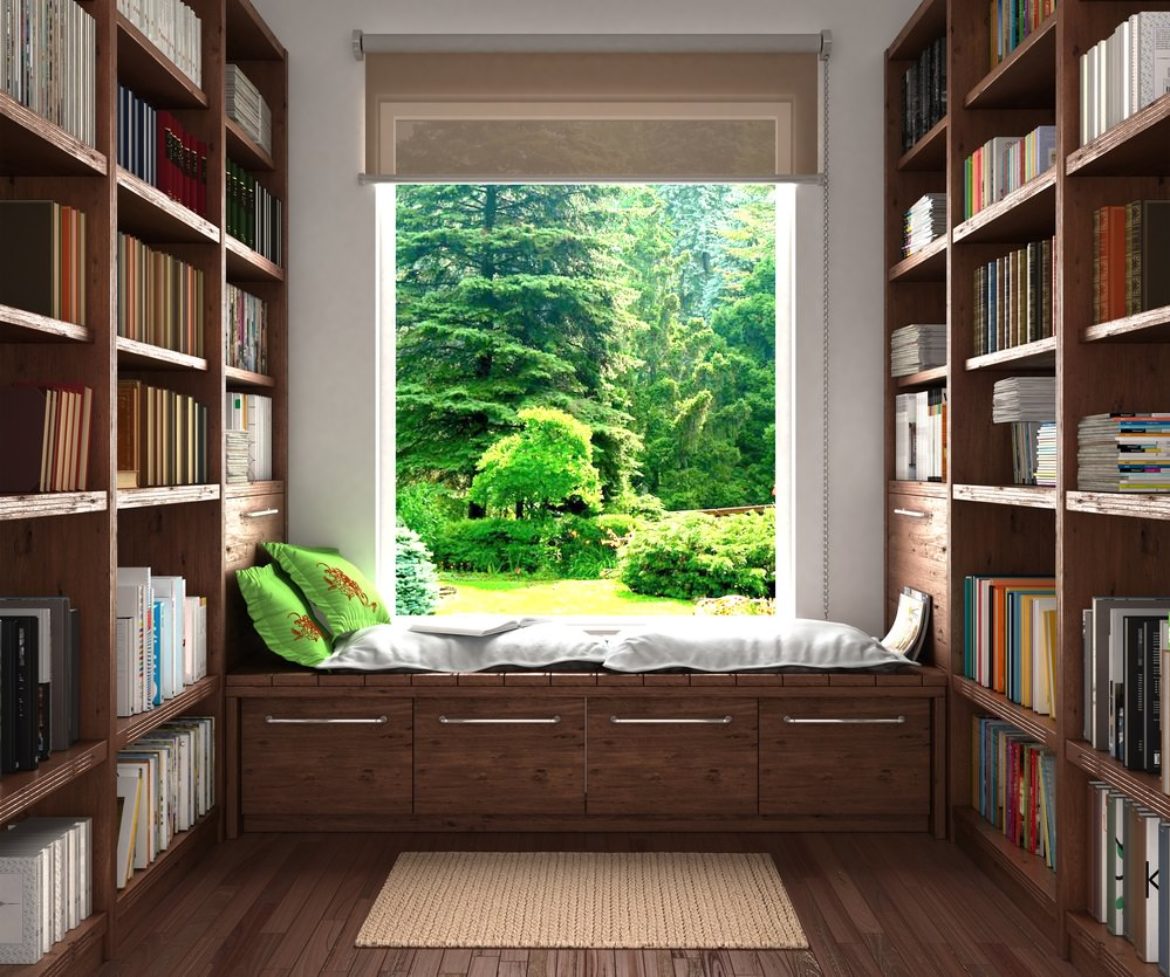
We are indoor and in the reading nook. A reading nook is a small space that is set up specifically for relaxation while enjoying a favourite book. Sometimes you need to steal yourself away from other activities to focus on biting into literature that can feed your mind. Kids may need an area away from the television and games to focus on homework or reading.

It may not be practical or affordable to designate a separate room for a library. A reading nook is the perfect opportunity to display a few books and set up a comfortable area for reading.

Interestingly, a charming reading nook can be created even in the most cramped interiors or in spaces that need not necessarily be part of the living room or a specially designated area. Thus, the reading nook can be created beside the dining area, at the landing of the stairs, under the stairs, inside the bedroom, even beside a charming patio and perhaps the kitchen too if it opens on to the family room.

A reading nook under the stairs can be cleverly designed to serve as the most attractive and quiet retreat by simply fashioning the book shelves and seating in accordance. Thus, the shelves could be structured under the slope of the stairs while a comfortable seating can be fashioned beside it. Lighting appropriate for reading is placed in a position where if provides the best lighting for the task.

Interestingly, the seating here need not be a conventional armchair or regular reading chair. It can be an attractively curved piece of wood with plenty of cushions that rests snugly beside the shelf or a swanky design that packs in plenty of comfort along with a charming reading lamp.

The bedroom too can prove as an excellent place to accommodate a reading nook. It is customary to read before going to bed but some find the bed too cozy since they fall asleep too quickly. A small area can be created by placing a comfortable arm chair with foot rest in a corner of the bedroom, preferably next to a window, which is sectioned off by a bookshelf or two with an attractive floor lamp to facilitate reading.

No Comments

Cozy up Your Front Porch

The kitchen may be the heart of the home, but the front porch is like a handshake, welcoming visitors, serving as a connection point with the neighborhood, and role-playing as the first and sometimes only impression for passers-by and neighbors.

Whether it’s a sweeping, wrap around balcony or a cozy nook off the entryway of your home, a warm and welcoming porch brings indoor comforts outside, making it the perfect place to unwind with a cup of coffee or catch up with friends and neighbors.  The front porch adds value and instant curb appeal to any home.

Need some tips for spicing up your front porch?

Design with stylish, yet weather resistant furniture, instead of simple plastic lawn chairs.  This can turn a porch into a warm and welcoming gathering space.


Add some throw pillows to make your porch feel more personal.  A matching outdoor rug will make the space look cozy and more pulled together.

Adding a rocking chair or two painted in white, and metal coffee table will add character to the space.

Hanging baskets of flowers are a great way to free up planter space on your porch. The bright blooms will bring instant color to the front of the home.

To boost your home’s curb appeal, try painting the trim of your porch in a bold and unexpected color, like purple.

No Comments

Earning Extra Cash on Rental Property

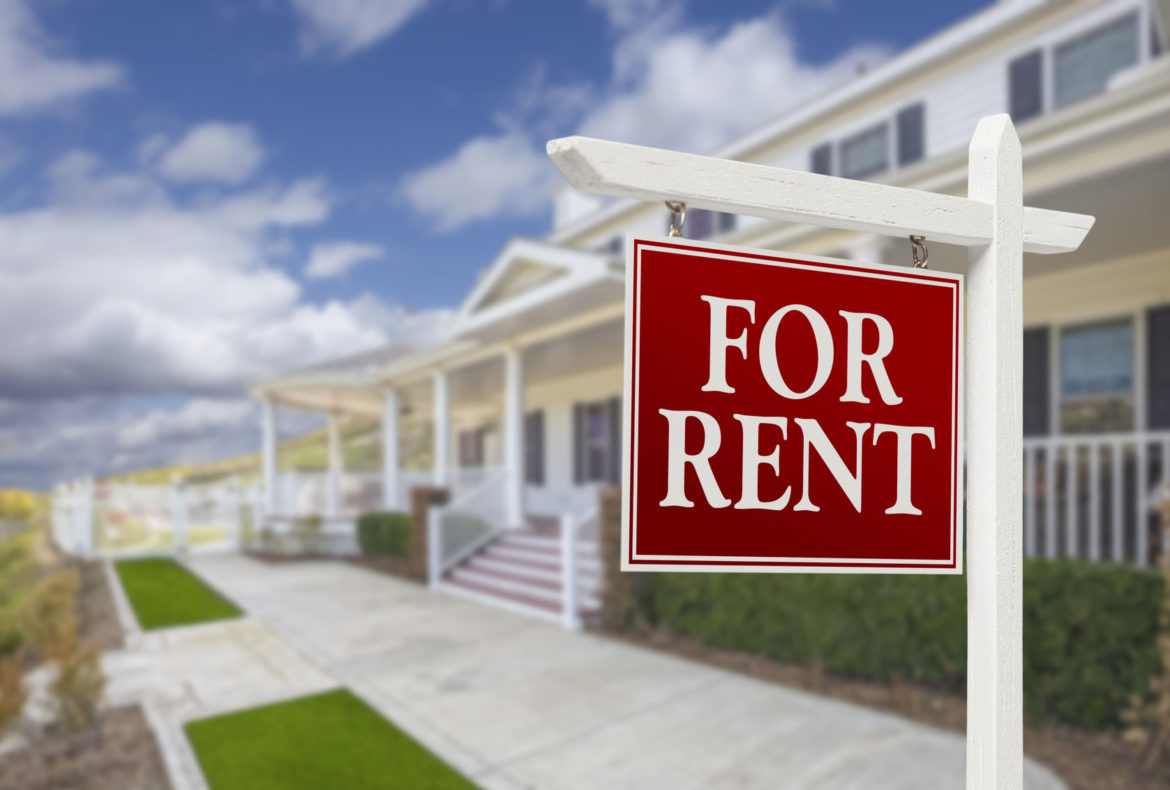
The amount of spare cash left each month after all bills have been paid has reduced with the increase in prices and the cost of living.  Wouldn’t it be great if you had some extra cash? What about when you retire? Wouldn’t you like some money added to your pension?  I would imagine that almost everybody would appreciate a little extra money each month.  Nowadays, a wide range of people consider rental properties and you too can make quite some money from renting out your home or a section of it.


If you own a separate property or have an unused portion of your dwelling area, then you’re sitting on a potential investment.  In such cases, all that may be required is some renovation work or tidying up to have the place ready to draw in tenants.


Others may have additional land in their dwelling area or vacant land at another location on which they can build small apartments, say 1 and 2 bedroom apartments while others have the potential to construct a large complex.  Although the investment may be more, you will still be positioning yourself to earn additional income in the future.


So, the impressive earnings that can be made when renting out your house is the most important reason why people decide to place their properties on the rental market. However, if you plan on renting out your home or a section of it, you should know that this is linked to some additional responsibilities.

One of the toughest parts of renting a property especially for the first time is that often times the work load is underestimate and people find themselves treating property management like a second job.


Advertising can also be tough and sometimes expensive.  If you are looking to get the word out about your property you can start by talking to family members, friends or neighbours.  You may be surprised who they know and how fast they can help you find a tenant.

If you have a tight schedule and don’t have a lot of time to spare then you can still earn that extra cash with little disruption by having an experienced property management company take up that responsibility.


Renting out your house can turn out to be an important source of income and can be a great way to improve your earnings and increase your budget.

No Comments

Enjoy the Convenience of a Half Bathroom

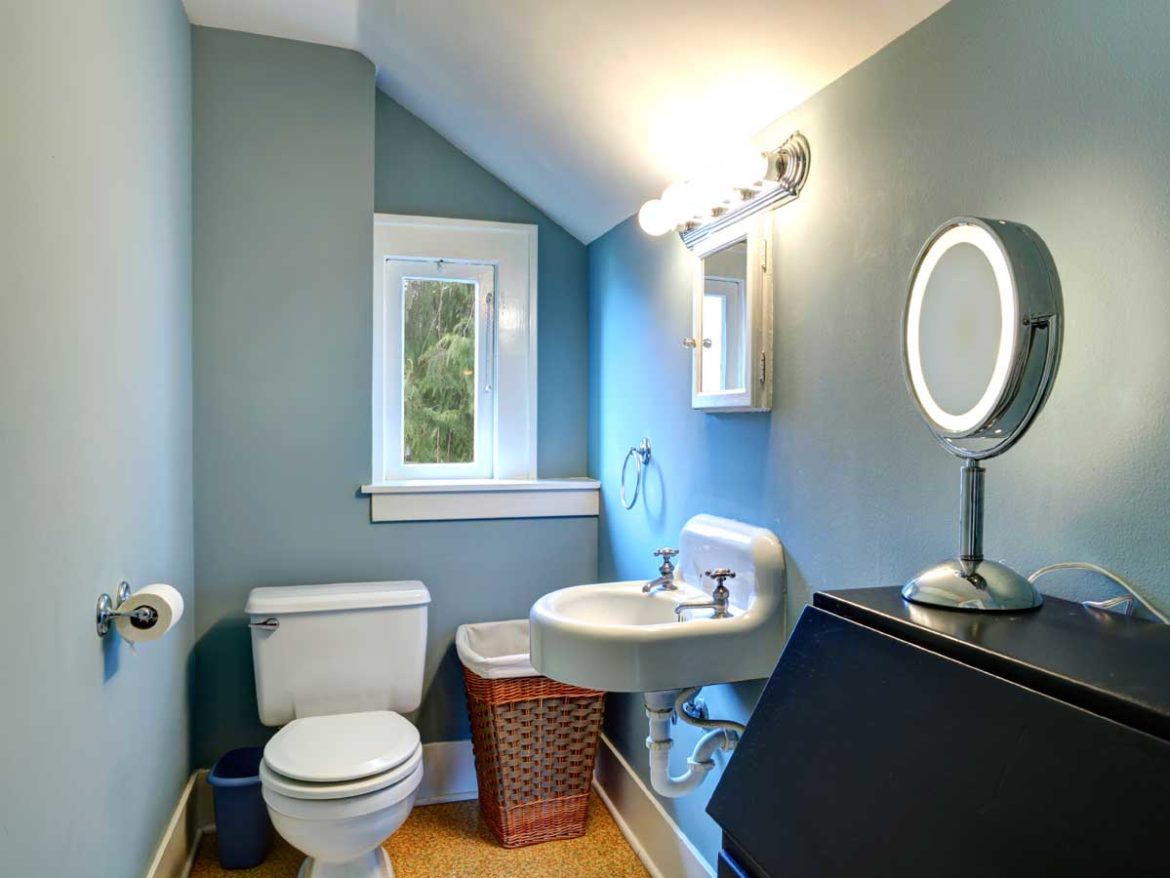
A half bathroom is a bathroom which has a sink and a toilet, but no shower or tub. Such rooms are sometimes known colloquially as “half baths” or “powder rooms.” Many larger homes include a built in half bath, typically in a public area of the home so that it is readily accessible to guests. Especially in a house with multiple residents, a half bathroom can be an extremely useful thing, as it reduces pileups at the main bathroom in the morning, allowing people to use the toilet while leaving the shower free.

The design of a half bathroom can be quite varied. Some are extremely minimalistic, with just a toilet and a pedestal sink, while others include storage cabinets and other features. A mirror is also a common feature, allowing people to check on their physical appearance before emerging from the bathroom. Generally half bathrooms are relatively small, since people presumably do not need a great deal of space to do their business there.

If you happen to be building or remodeling a home and considering bathroom layouts, you may want to think about a half bathroom. One of the major conveniences of a half bathroom is that it ensures that you have a space for guests to use while keeping your own bathroom private. Since many people like to store medications and personal care items in their bathrooms, having a simple half bathroom can ensure peace of mind by ensuring that nosy guests will not be able to delve into a host’s personal life.

A half bathroom can also be useful in a master bedroom or as a shared bathroom used by children. In some cases in a house with multiple occupants, installing multiple full bathrooms might feel a bit silly, but having several toilets and sinks available can be handy; half bathrooms can meet this need quite nicely. People can keep various personal items like toothbrushes and so forth in the half bathroom, ensuring that they have access to them when a main bathroom is occupied by someone bathing or showering.